

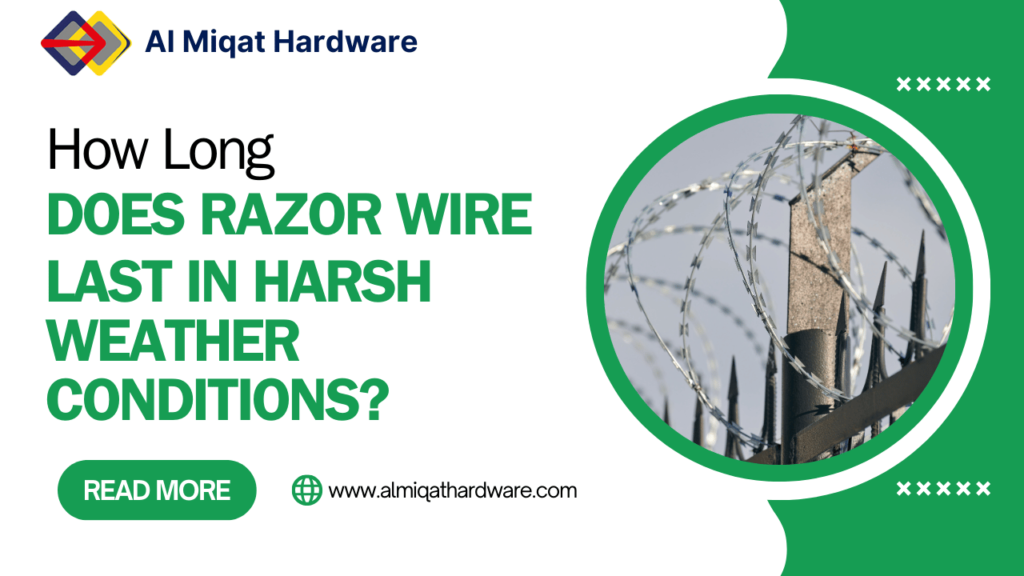
Razor wire is one of the most effective security measures used to deter trespassers, providing a highly visible and formidable barrier. However, the longevity of razor wire, particularly in harsh weather conditions, is a common concern for many property owners. Whether you’re using it for a perimeter fence, a security installation, or as a deterrent for intruders, it’s essential to understand how weather can impact its lifespan and effectiveness. In this blog, we’ll explore how long razor wire lasts under various environmental conditions and what you can do to ensure it remains durable and reliable for years to come.
1. What Is Razor Wire?
Razor wire consists of sharp, pointed blades attached to a wire strand, creating a formidable barrier that’s difficult to cut or climb over. It’s commonly used in high-security installations such as prisons, military sites, and commercial properties, as well as for residential fences in some cases.
While razor wire is a sturdy material, its longevity largely depends on the materials used in its production and how well it’s maintained in the face of weather challenges.
2. Impact of Harsh Weather Conditions on Razor Wire
Razor wire is designed to withstand outdoor elements, but extreme weather conditions can still have a significant effect on its durability. Let’s look at how various weather elements can impact razor wire over time:
Rain and Humidity
Continuous exposure to rain and humidity can cause rusting and corrosion, especially if the razor wire is not galvanized or coated. Galvanized wire can resist corrosion to a certain extent, but over time, exposure to moisture can lead to degradation.
- Galvanized Razor Wire: Typically lasts between 5 to 10 years, depending on the thickness of the galvanization and exposure to moisture. In areas with high rainfall or humidity, corrosion can begin earlier, shortening the lifespan of the wire.
- Coated Razor Wire: Razor wire with PVC coating or other protective coatings offers better protection against rust and corrosion. This can extend the wire’s lifespan to up to 15 years, depending on the coating’s quality.
Snow and Ice
Snow and ice can be particularly challenging for razor wire. The accumulation of snow can place added weight and pressure on the wire, causing it to sag or stretch. The freezing and thawing process can also weaken the wire’s structure over time. In cold regions, razor wire is exposed to cycles of freezing and thawing, which can lead to metal fatigue and increased risk of breakage.
Wind and Storms
In areas with high winds or frequent storms, the constant movement of the razor wire can cause wear and tear on its structure. High winds can put additional strain on the wire and posts, especially if the wire is not properly tensioned or secured. Storms that bring heavy rain or hail can further accelerate the degradation of the wire.
Sunlight and UV Exposure
Razor wire exposed to constant sunlight can suffer from UV damage, particularly if it has a PVC coating. Over time, UV rays can break down the protective coating, making it more vulnerable to corrosion and physical damage. This is more common in regions with high temperatures and intense sunlight, such as desert areas.
3. How Long Can Razor Wire Last in Harsh Weather?
The lifespan of razor wire in harsh weather conditions can vary based on the quality of materials used, installation methods, and the specific environmental conditions it faces. Here’s a general estimate:
- Galvanized Razor Wire: In areas with moderate weather conditions, galvanized razor wire can last up to 10 years before significant signs of corrosion appear. In harsh climates with high humidity or frequent rain, the wire may last 5-7 years before requiring maintenance or replacement.
- Coated Razor Wire: Coated razor wire, such as PVC-coated or powder-coated options, offers greater resistance to rust and UV damage. These wires can last anywhere from 10 to 15 years, especially in areas with extreme weather conditions like intense rainfall, snow, or hot sun.
4. Maintenance Tips for Extending Razor Wire Lifespan
To maximize the lifespan of your razor wire, here are some maintenance tips that can help ensure it remains durable under harsh weather conditions:
- Regular Inspections: Periodically inspect the wire for signs of rust, corrosion, or physical damage. Look for broken strands, worn coatings, or areas that show signs of weakness.
- Rust Prevention: If you notice any rust or corrosion, treat the affected areas promptly with rust-resistant spray or reapply protective coatings to prevent further damage.
- Tensioning: Ensure that the wire is properly tensioned to prevent sagging, especially after storms or snow accumulation. Loose wire can be more prone to damage and deterioration.
- Clean the Wire: Regularly clean the razor wire to remove debris, moss, or dirt that could hold moisture against the wire. This helps to prevent rust and corrosion.
5. Why Choose Almiqa Hardware for Razor Wire
At Al Miqa Hardware, we offer high-quality razor wire designed for durability and long-lasting performance, even in the harshest weather conditions. Whether you’re looking for galvanized or coated razor wire, our products are crafted to withstand a range of environmental challenges, providing you with reliable security solutions. Visit www.almiqathardware.com to explore our range of products and learn more about how we can help secure your property.
Conclusion
While razor wire is a durable and effective security solution, its longevity in harsh weather conditions depends on several factors. Proper installation, regular maintenance, and the quality of the wire itself are all important for ensuring its long-term durability. By understanding how weather can impact the wire and taking steps to protect it, you can ensure that your razor wire will continue to provide reliable security for years to come.