

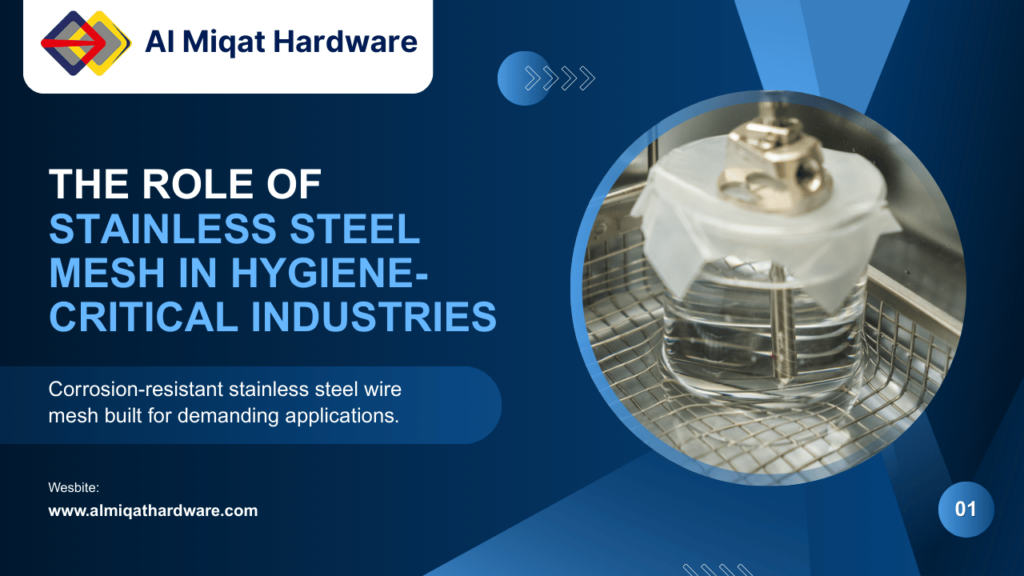
In industries where hygiene is paramount—such as food processing, pharmaceuticals, healthcare, and biotechnology—materials that can withstand rigorous sanitation procedures while maintaining strength and durability are essential. Stainless steel mesh stands out as one of the most reliable materials in these hygiene-critical environments. Its versatility, resistance to corrosion, ease of cleaning, and compliance with stringent hygiene standards make it a preferred choice across multiple sectors.
In this blog, we will explore the role of stainless steel mesh in hygiene-critical industries and why it remains indispensable for maintaining high hygiene standards.
1. What Is Stainless Steel Mesh?
Stainless steel mesh is a woven material made from stainless steel wire, commonly used in industrial and commercial applications. It is available in various grades, including 304, 316, and others, depending on the specific needs of the application. The mesh is durable, corrosion-resistant, and highly resistant to rust, making it ideal for environments where cleanliness and durability are crucial.
The ability to use stainless steel mesh in different forms—such as wire, sheets, or custom-designed panels—adds to its versatility, ensuring it can meet the exact specifications required for specific industries.
2. Corrosion Resistance: A Key Advantage for Hygiene-Critical Environments
Corrosion resistance is one of the main reasons stainless steel mesh is so widely used in hygiene-critical industries. These industries often involve exposure to water, chemicals, and harsh cleaning agents, which can quickly degrade materials that are not resistant to corrosion. In comparison, stainless steel mesh is well-suited to environments where frequent cleaning is necessary.
- Food Processing: In food processing plants, stainless steel mesh is used for sieving, filtration, and creating secure barriers in environments where high hygiene standards must be maintained. It can resist repeated exposure to water, acidic solutions, and high-temperature washes.
- Pharmaceutical Manufacturing: Stainless steel mesh is used in pharmaceutical facilities for its ability to resist the corrosion caused by cleaning agents like acids and alcohols, making it ideal for creating sterile environments.
- Healthcare and Biotechnology: Stainless steel mesh is essential in laboratories and medical facilities, where the material is used to create sterile environments and to support the use of machinery and equipment that require regular sanitization.
3. Ease of Cleaning and Maintenance
Hygiene-critical industries demand materials that are easy to clean and maintain. Stainless steel mesh offers the advantage of smooth surfaces and tight weave patterns that prevent the accumulation of dust, bacteria, and other contaminants.
- Smooth Surfaces: Stainless steel mesh has smooth surfaces that allow easy cleaning without allowing particles to cling to the mesh. This makes it suitable for environments like food processing, where cross-contamination must be minimized.
- High-Temperature Resistance: Stainless steel mesh can withstand high-temperature cleaning methods, such as autoclaving, steam sterilization, and hot water pressure cleaning. These methods are frequently used in industries like pharmaceuticals and healthcare, where sterilization is a routine process.
- No Pitting or Rusting: Unlike other materials, stainless steel mesh does not corrode or pit over time, which ensures that it remains easy to sanitize and does not harbor harmful bacteria.
4. Compliance with Hygiene Standards and Regulations
In hygiene-critical industries, adherence to strict regulations is necessary for ensuring safety and cleanliness. Stainless steel mesh helps businesses meet industry-specific standards by providing a material that is both durable and sanitary.
- Food Safety Standards: Stainless steel mesh complies with international food safety regulations such as FDA and USDA standards, ensuring that it can be used in food processing without compromising hygiene.
- Pharmaceutical and Medical Compliance: Stainless steel mesh is commonly used in clean rooms, where it adheres to good manufacturing practices (GMP) and the standards set by regulatory bodies like the FDA and EMA. Its non-reactive properties make it a safe material in environments that require sterile conditions.
5. Versatility Across Multiple Applications
Stainless steel mesh serves various roles in hygiene-critical industries, adapting to different uses depending on the sector’s requirements.
Food Processing:
- Sieving and Straining: Stainless steel mesh is used for sieving grains, powders, and liquids to ensure cleanliness and remove contaminants.
- Conveyor Belts: Stainless steel mesh is used in conveyor systems where food products are transported through high-temperature washes and other cleaning processes.
- Processing Equipment: Stainless steel mesh is used in tanks, filters, and other equipment where food ingredients are processed under strict hygiene conditions.
Pharmaceutical and Biotechnology:
- Sterilization Equipment: Stainless steel mesh is used in sterilization equipment where high-heat treatments and chemical exposure are common.
- Clean Room Construction: Stainless steel mesh is often used in clean rooms and labs, providing a contamination-free environment essential for pharmaceutical and biotech production.
- Filters and Screens: Stainless steel mesh is used for filtration systems that remove unwanted particles and pathogens during drug production or medical device manufacturing.
Healthcare:
- Medical Devices and Tools: Stainless steel mesh is often used in medical devices like filters, cages, and screens that require frequent cleaning and sterilization.
- Hospital Ventilation Systems: Stainless steel mesh is used in HVAC systems in hospitals to filter out bacteria, viruses, and other pathogens.
Water Treatment:
- Stainless steel mesh is used for filtration in water treatment plants, where it helps in purifying and sterilizing water supplies, ensuring they meet health and safety standards.
6. Longevity and Cost-Effectiveness
While stainless steel mesh may come with a higher initial cost compared to other materials, its longevity, resistance to wear and tear, and minimal maintenance make it a highly cost-effective solution in the long run.
- Long Lifespan: Stainless steel mesh can last for decades with proper care, reducing the need for frequent replacements and saving costs over time.
- Minimal Maintenance: The ease of cleaning and maintenance further contributes to its cost-effectiveness, as facilities don’t have to spend significant amounts of time and money on upkeep.
7. Sustainability and Eco-Friendly Characteristics
Stainless steel is a fully recyclable material, making it an eco-friendly option for industries focused on sustainability. In today’s environmentally conscious world, many hygiene-critical industries prefer using stainless steel mesh as it can be reused and repurposed, reducing waste and contributing to sustainable practices.
Conclusion
Stainless steel mesh plays a crucial role in hygiene-critical industries due to its corrosion resistance, ease of cleaning, durability, and compliance with stringent regulations. Whether it’s in food processing, pharmaceuticals, healthcare, or biotechnology, stainless steel mesh ensures high hygiene standards, protects products, and enhances the safety of both employees and consumers.
At Al Miqa Hardware, we offer high-quality stainless steel mesh solutions that are designed to meet the needs of hygiene-sensitive industries. Visit www.almiqathardware.com to explore our range of products and discover the ideal mesh solutions for your business.