

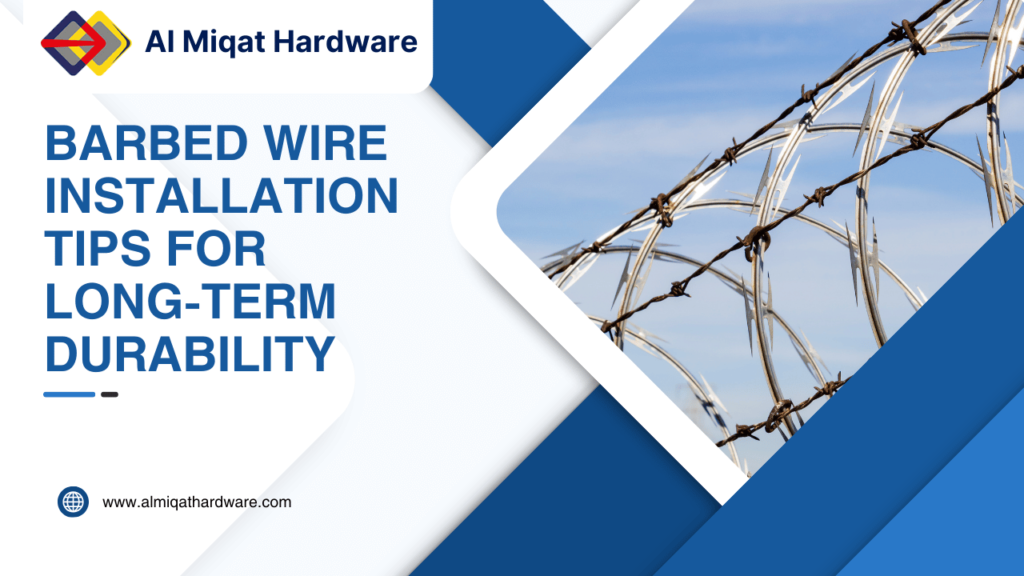
When it comes to securing your property, barbed wire remains one of the most effective and economical solutions. Whether it’s for a farm, industrial area, or residential property, installing barbed wire correctly ensures it provides long-term durability and protection. Proper installation can greatly extend the life of the wire and ensure it keeps unwanted intruders at bay. In this blog, we’ll go over essential tips for installing barbed wire that can stand the test of time.
1. Choose the Right Barbed Wire for Your Needs
Not all barbed wire is created equal, and selecting the right type for your specific needs is crucial. There are several factors to consider when choosing barbed wire:
- Gauge: The gauge refers to the thickness of the wire. For maximum durability, choose a thicker gauge that is less prone to bending or breaking. Common gauges for security purposes are 12 or 14.
- Coating: Coated barbed wire, such as galvanized or PVC-coated wire, offers extra protection against rust and corrosion. This is especially important if your wire will be exposed to the elements.
- Number of Strands: Barbed wire typically comes in 2 or 4-strand options. For greater strength and resistance to cutting, opt for a higher number of strands.
- Length: Consider the perimeter of the area you are enclosing. Measure accurately to avoid wastage and ensure you have enough wire to cover the full area.
By selecting the correct type of barbed wire, you set the foundation for a secure and long-lasting installation.
2. Prepare Your Ground and Fence Posts
Before you begin installing your barbed wire, it’s essential to prepare the ground and fence posts. The sturdier the foundation, the more effective your wire will be.
- Clear the Area: Remove any obstacles such as vegetation, rocks, or debris that might hinder the installation process. This will help ensure the wire is taut and properly installed without any interference.
- Set Posts Deep and Secure: For durability, fence posts should be placed deep into the ground. The depth of the posts depends on the soil and weather conditions, but a general rule is to bury posts about 2 to 3 feet deep. Use a post driver for added stability and ensure that the posts are securely set to handle the tension of the wire.
- Spacing of Posts: Space the posts approximately 8 to 10 feet apart to ensure proper tension across the barbed wire. Spacing them too far apart could lead to sagging or excessive strain on the wire.
3. Install the Barbed Wire Properly
Once the posts are in place, it’s time to start installing the barbed wire. Here’s how to do it step by step:
- Start at One End: Begin installing the wire at one end of the perimeter and work your way around. Attach the wire to the first post using a staple or tie. Make sure to leave enough slack in the wire to avoid too much tension when you move to the next post.
- Use Tensioners: As you move along the fence line, use wire tensioners to keep the wire taut. These devices help to ensure the wire stays tight, reducing the risk of sagging over time. Keep the wire as taut as possible without overstretching it.
- Secure the Wire: Secure the barbed wire to each post by wrapping it around the post and tying it off. Make sure to space the strands of wire evenly to create a uniform and strong barrier. Don’t forget to keep the wire at a consistent height for an even appearance.
- Add Additional Strands: If you’re using multiple strands of wire, make sure each one is installed tightly and evenly. The wire should be spaced about 4 to 6 inches apart, depending on the level of security you need.
4. Check the Tension and Adjust as Needed
Once the wire is in place, it’s crucial to check the tension across the entire installation. Barbed wire that is too loose can sag, making it easy for intruders to bypass. Conversely, too much tension can cause the wire to snap or break prematurely.
- Use a Tension Meter: A tension meter can help ensure the right amount of tension is applied to the wire. It’s an excellent tool for preventing over-tightening.
- Test for Sagging: Walk along the perimeter and check for any areas where the wire is sagging. If you find any, adjust the tension until the wire is taut and straight.
5. Maintain Your Barbed Wire Fence Regularly
To ensure the longevity of your barbed wire fence, it’s essential to maintain it regularly. Here are some maintenance tips:
- Inspect the Wire: Periodically check the wire for any signs of damage, such as broken strands or rust. Early detection of problems can help you fix issues before they become more significant.
- Remove Vegetation: Weeds, plants, and trees can grow through the barbed wire, compromising its effectiveness. Trim any vegetation that might interfere with the wire’s functionality.
- Rust Protection: If your barbed wire is not coated, consider applying a rust-resistant coating every few years to keep the wire from deteriorating.
6. Safety Considerations
Barbed wire can be dangerous, so it’s essential to prioritize safety during installation and maintenance:
- Wear Protective Gear: Always wear gloves and long sleeves to avoid injury from the sharp barbs.
- Check Local Regulations: In some areas, barbed wire installation may be subject to regulations, especially near public spaces or residential areas. Make sure to check your local laws before installing barbed wire.
Conclusion
Proper installation of barbed wire is key to ensuring that it serves its purpose for years to come. By selecting the right materials, preparing the site correctly, and maintaining the fence regularly, you’ll ensure that your investment provides maximum security and long-term durability.
At Almiqa Hardware, we offer high-quality barbed wire and fencing products that are built to last. If you’re looking for reliable and durable barbed wire for your property, visit our website at www.almiqathardware.com for more details.